
For years, corporate enablement has followed a predictable, exhausting script. Whether preparing inside sales teams for a new product launch or aligning channel partners on global strategies, the process was a labor-intensive mountain to climb. Facilitators spent weeks manually parsing slide decks, drafting talk tracks, and building static quizzes, only to watch half the room tune out by lunch.
But a quiet revolution has taken place.
Artificial intelligence has completely rewritten how we run enablement sessions. We are no longer limited to the out-of-the-box tools of the past. Today, AI empowers us to design, prepare, and execute training at a velocity—and a level of immersion—that was previously unimaginable.
The AI Transformation: Design to Preparation
The shift from passive listening to active learning used to stall at the development phase because creating custom, interactive content took too much time, money, and specialized engineering skill. AI has obliterated that barrier across three distinct phases:
Intelligent Content Design: Instead of staring at a blank page, instructional designers use AI to ingest massive global corporate strategies and immediately structure them into the suggested 5-to-7 information “chunks” that the human brain can easily process.
Rapid Material Generation: Sifting through product data sheets to create localized roleplay scenarios, case studies, and quiz questions now takes seconds, not days. AI serves as a hyper-personalized production assistant.
The Rise of “Vibe Coding” in Training: The biggest breakthrough, however, is in software creation. Thanks to the paradigm of vibe coding—where creators use natural language prompts to direct AI to build fully functional software applications—facilitators can now build custom, interactive training apps on the fly without writing a single line of code.
Elevating Engagement: Three Custom Games Vibe Coded on Rosebud.ai
To prove just how drastically this shifts the energy in a room, look at how we recently leveraged Rosebud.ai—a generative text-to-game platform—to “vibe code” custom interactive games.
By embedding these highly visual, mechanics-driven games into our sales enablement workflow, we transformed dry training data into adrenaline-fueled competitive milestones.
Here are three games built entirely through natural language prompts that completely elevated our last session:
1. Space Cowboy
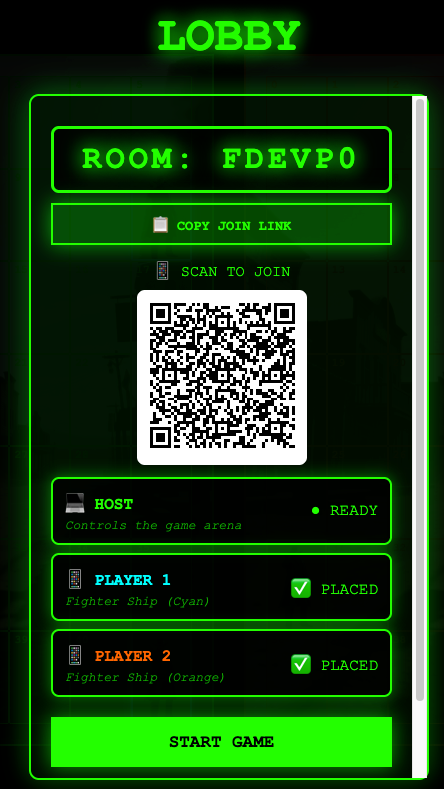

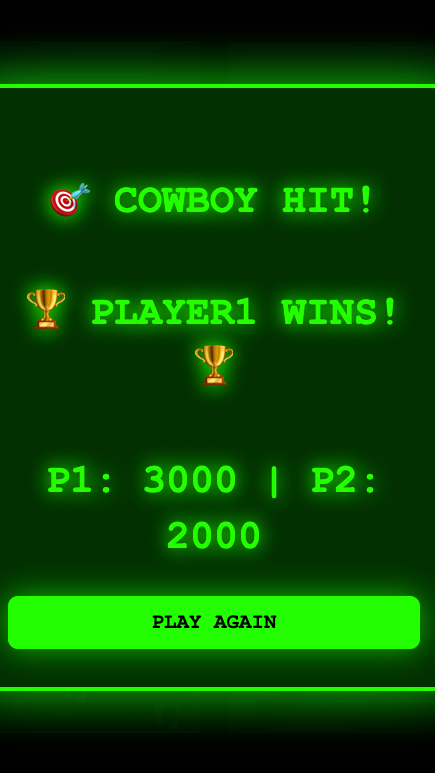
Rapport thrives on friendly rivalry. Space Cowboy is a fast-paced, two-player competitive game designed to break the ice and lock in focus.
How it works: Participants log into the game using their mobile devices and secretly position three cowboys on their digital map.
The Twist: Once the host hits start, players use their phone’s built-in gyroscope to physically aim, tilting their devices to fire shots at their opponent’s cowboys. The app automatically tracks hits, manages live scores, and crowns the winner. It instantly wakes up a room and builds immediate social rapport.
2. Submarine
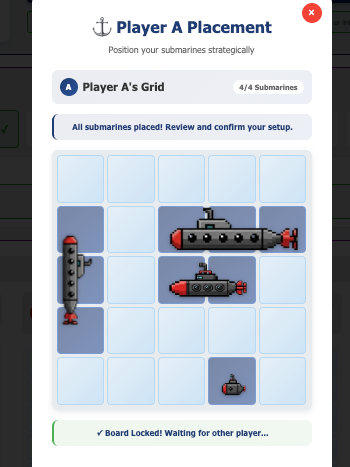
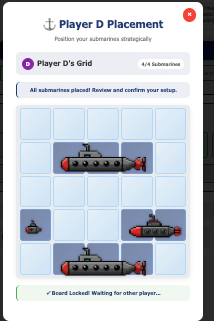
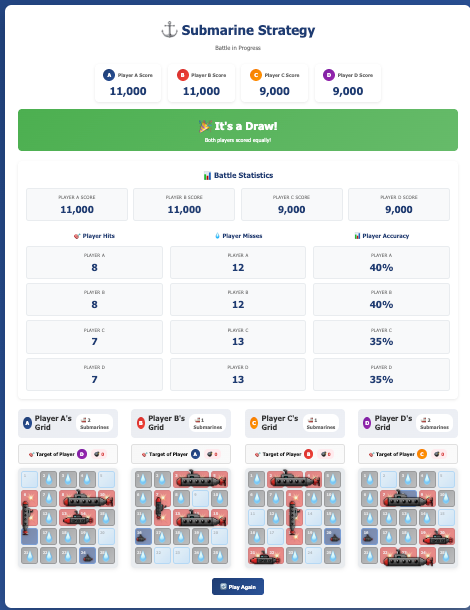
Reviewing product features or competitive positioning usually means a boring multiple-choice test. Submarine turns review into a high-stakes tactical battle by re-imagining the classic game of Battleship.
How it works: Teams place their submarines on a hidden grid. However, they don’t just get a free pass to fire shots. The number of bombs allotted to each team is strictly dependent on getting correct answers on an enablement content quiz.
The Twist: The smarter your team is on the product specifications, the more ammunition you have to bomb the enemy grid, rack up points, and climb the leaderboard.
3. Space Shooter
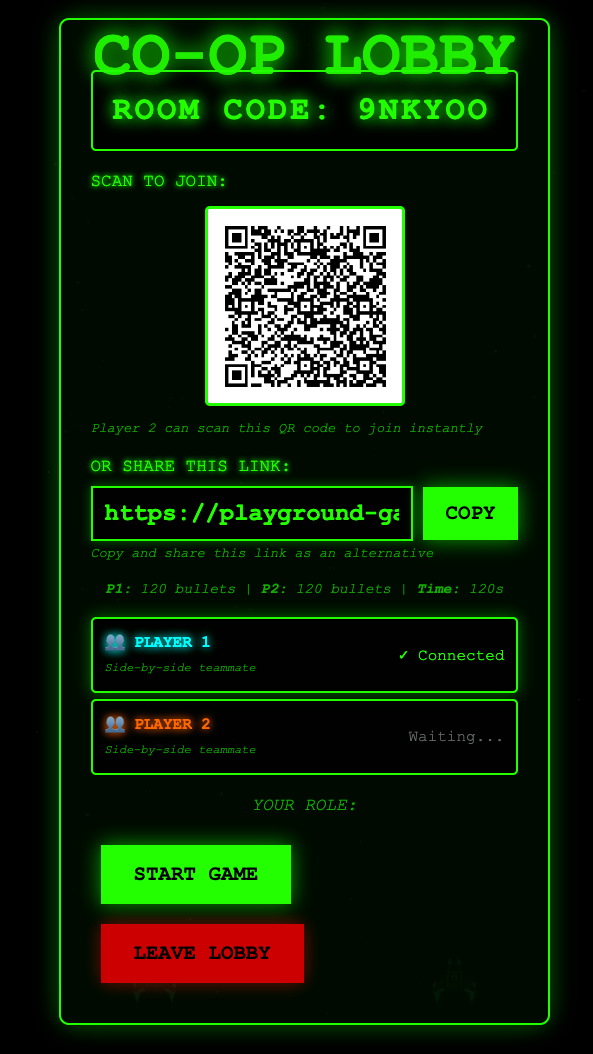
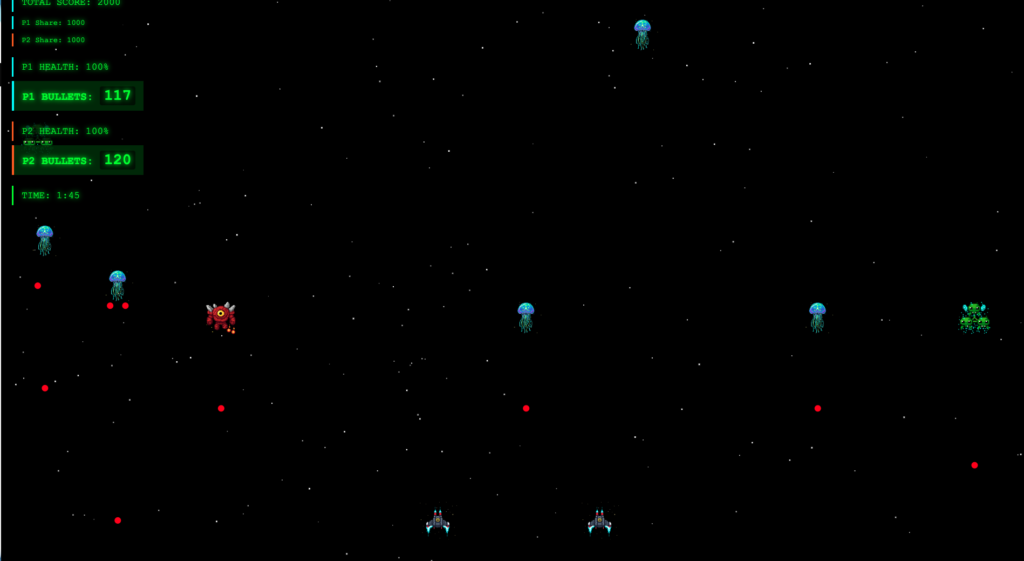
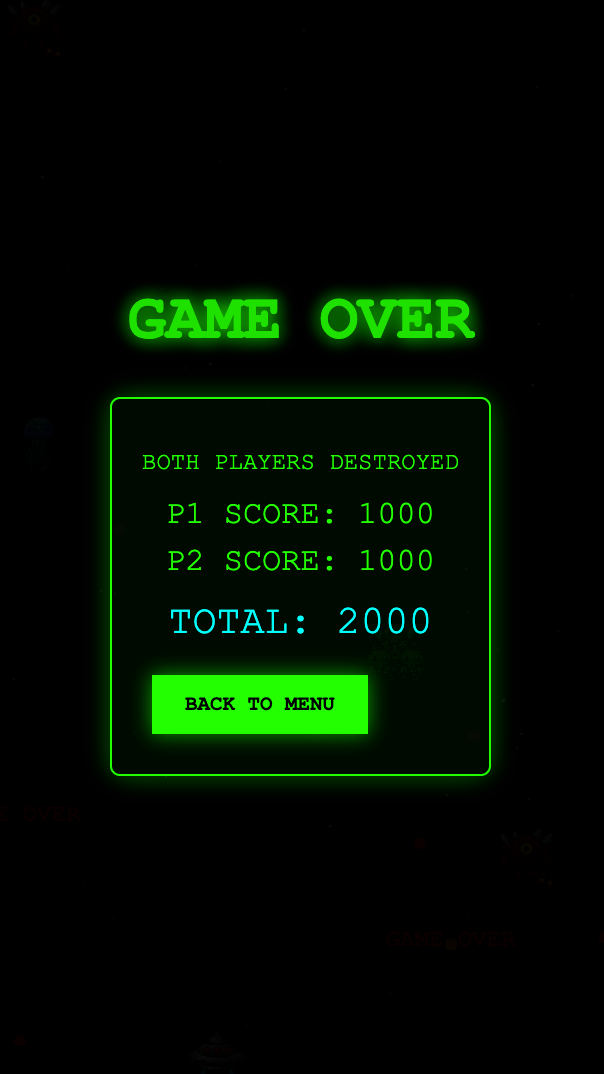
Cooperative learning can be just as powerful as pure competition. Inspired by the legendary Space Invaders, Space Shooter brings a retro arcade energy to the training floor.
How it works: This game can be configured in either a cutthroat competitive mode or a cooperative “co-op” mode where teams work together to defend their base.
The Twist: Just like Submarine, your spaceship’s laser cannons run on knowledge. Bullets are earned dynamically by answering tough content questions correctly. Run out of product knowledge, and your ship runs out of ammo.
Why It Works: Chemical Anchors for Memory
Using vibe-coded games isn’t just about making people laugh; it’s grounded in the strict psychology of learning.
When participants are actively competing, collaborating, and moving their bodies, their brains release dopamine and endorphins. These neurochemicals act as a biological highlighter, sharpening our senses and forcing the brain to flag the current experience as “important.”
By tying your critical sales data—like competitive playbooks, feature matrices, and objection handling—directly to the mechanics of earning a missile in Submarine or aiming a shot in Space Cowboy, the information becomes anchored to a positive emotion.
The New Standard for Enablement
AI has democratized development. The excuse that “custom interactives are too hard to build” is officially dead. By combining strategic content chunking with the speed of vibe coding on platforms like Rosebud.ai, you can stop lecturing your teams and start immersing them.
The next time you prep an enablement session, step away from the bullet points. Build an experience, get the room laughing, and let the technology do the heavy lifting.

Leave a Reply